English
 français
 Deutsch
 русский
 español
 português
 العربية
 Melayu
 ไทย
 Indonesia
 हिंदी


A folding window aluminum profile is the extruded aluminum framework that forms the frame of a folding window. This framework shapes the window's appearance, durability, and performance.
Readers will learn the composition of these profiles, the mechanism behind the folding action, the main types, the benefits, common applications, and the criteria for choosing the right profile. The discussion covers alloy and temper selection, profile structure, hardware integration, and thermal-break options. It also explains how panel count and opening direction influence profile design. Suppliers offer customized aluminum window profiles for projects with specific dimensional or performance needs. Each point stays practical and grounded in how the product actually performs in real installations.
Key Takeaways
- A folding window aluminum profile is the strong aluminum frame that shapes the window's look and performance.
- Hinged panels slide on a track and stack neatly to open wide and save space.
- Aluminum folding windows resist moisture and need little maintenance.
- Choose the right profile for your climate, building size, and budget to avoid problems.
- Suppliers can customize panel counts and sizes to fit your specific project.
Folding Window Aluminum Profile Basics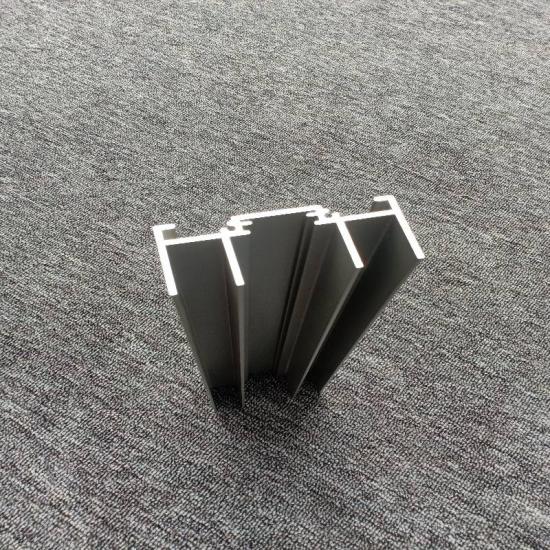
The folding window aluminum profile is the fundamental framework of a folding window. This framework sets the window's appearance, durability, and performance. Understanding its composition helps buyers evaluate quality before purchase.
Alloy and Temper
Aluminum alloy 6063 with T5 or T6 temper is the most prevalent choice worldwide for folding window profiles. Manufacturers favor this alloy for its extrudability and surface finish. The T5 temper involves cooling after extrusion, while T6 adds artificial aging for higher strength. Both tempers suit window applications well.
Surface treatment protects the aluminum and enhances appearance. Anodized finishes offer a metallic look with good corrosion resistance. Powder-coated finishes provide a wide color range and a durable, uniform surface. A high precision fluorocarbon aluminum profile takes finish durability further. Fluorocarbon coatings resist fading and weathering exceptionally well, which suits harsh climates. White powder coating aluminium window frames remain a popular choice for residential projects because the color reflects heat and matches many building styles.
Profile Structure
The internal geometry of folding window aluminum profiles determines strength and function. Hollow chambers reduce weight while maintaining rigidity. Wall thickness affects structural performance directly. Thicker walls resist wind load and impact better. Multi-cavity geometry adds stiffness without excess weight. These cavities also improve thermal and acoustic insulation.
A complete profile system includes several distinct parts. The frame anchors to the building opening. The sash holds the glass and moves during operation. The track guides the panels as they fold. Hardware channels house handles, hinges, and locking mechanisms. Each part requires precise extrusion to fit together properly.
Guang Ya aluminium serves as an example profile supplier for these systems. The company produces customized aluminum window profiles for projects with specific dimensional or performance needs. Buyers should verify that a supplier's profiles meet project specifications for alloy grade, wall thickness, and finish quality. Careful review of the profile structure and material selection prevents problems during installation and use.
How Folding Windows Work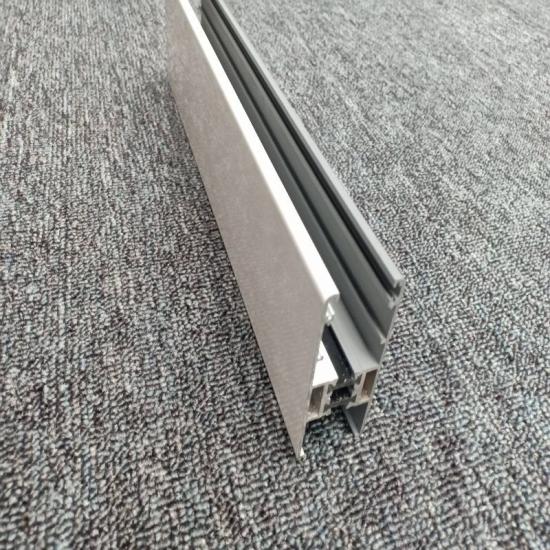
The folding action depends on a simple mechanical principle. Builders join panels that are hinged together at their vertical edges. Each panel connects to the next in a continuous chain. The lead panel rides in a track at the top and bottom of the frame. A user pushes the handle, and the panels fold in on themselves as they slide along a track toward the opening edge. The glass panels stack neatly at one end and clear the opening almost completely.
Hinges and Track
The track carries the full weight of the moving panels. Top-hung systems suspend the panels from an upper track, which keeps the floor track shallow and easy to clean. Bottom-rolling systems place the load on a lower track and suit heavier panels. Both arrangements allow several stacking patterns. Panels can stack to one side for a single clear opening. They can also split and stack to both sides, which creates a central access point. Some designs swing inward or outward on their hinges for ventilation without full opening. A corner track even lets panels travel around a 90-degree turn, which suits L-shaped rooms and wraparound balconies.
Sealing and Hardware
Handles, locks, and weather seals integrate into the profile channels. The extrusion includes dedicated grooves for each component. Handles mount flush with the sash face. Multi-point locks engage at several points along the closing edge. Weather seals sit in a continuous channel around the frame and sash. These seals compress when the window closes and block air and water penetration. The hardware must align precisely with the channel geometry. Poor alignment causes binding during operation and gaps at the closed position. Quality folding windows therefore rely on accurate extrusion and consistent wall thickness in the hardware zones.
The overall performance of these systems depends on how well the parts work together. Smooth folding requires straight tracks, aligned hinges, and correctly seated rollers. A tight closed seal requires uniform seal compression along every edge. Buyers should test a sample window through a full open-and-close cycle. They should also check that the seals contact evenly and that the locks engage without force. These simple checks reveal whether the profile and hardware were engineered as a matched set.
Types of Bi-Fold Windows
Panel Configurations
Panel count and opening direction shape the profile design. A two-panel bi-fold window uses one hinge point and a simple track. Multi-panel systems carry more weight and need stronger extrusions, deeper tracks, and reinforced hardware channels. Buyers often call this style a concertina window because the panels compress like the folds of an instrument.
Opening direction matters just as much. Side-folding folding windows stack panels to the left or right. Push-pull folding windows let the user slide and fold the sash in one motion. Some designs split the stack to both sides for a central opening. Each layout changes where the profile needs extra wall thickness and where the track carries the load. These variations belong to the broader family of types of aluminum sliding and folding systems, and each one demands a profile matched to its motion.
Thermal-Break Profiles
A thermal-break profile places an insulating barrier between the inner and outer aluminum. This barrier interrupts the path that heat follows through the metal. The result is better insulation across the frame. Standard profiles use a single aluminum body with no barrier. They suit mild climates and budget-focused projects well, and they perform reliably when condensation is not a major concern.
Thermal-break profiles fit cold climates and energy-conscious buildings. They cost more because the barrier adds manufacturing steps. Neither option is universally better. The right choice depends on climate, budget, and energy goals. Buyers should match the profile to the project rather than defaulting to one type.
Both configurations work with bi-fold windows in residential and commercial settings. A supplier can confirm which profile suits a given panel count and climate zone.
Benefits of Aluminum Folding Windows
Space and Ventilation
Folding windows occupy no floor or wall space when open. The panels stack at the edge of the frame instead of swinging into the room or outward across a walkway. This trait separates them from casement and awning styles, which need clearance to operate. A homeowner gains usable room area near the opening, and a café gains clear passage for staff and guests.
The opening itself is the larger advantage. Panels stack tightly, so the clear span approaches the full frame width. Sliding windows leave half the frame covered by glass at all times. Folding units can stand fully opened, which creates a wide and unobstructed entrance for traffic and a wide opening and unobstructed views for the room beyond. Large openings of this kind suit balconies and terraces especially well. Strong insulation and moisture resistance round out the package. Sealed frames keep drafts out and handle humid coastal air without swelling or rusting, unlike timber.
Residential and Commercial Uses
Slim sightlines give these windows a light, modern look. Narrow frame faces leave more glass visible, and the design flexibility of the format allows custom panel counts, colors, and opening directions. Homeowners use aluminum folding windows on balconies, patios, and sunrooms, where the goal is an indoor-outdoor feel. Bi-fold windows also work well as pass-through servery openings between a kitchen and a garden.
Commercial projects draw on the same strengths. Storefronts use folding panels to open the shopfront to the street. Cafés fold back a wall of glass to extend seating outdoors. Office partitions divide space without blocking light. The advantages carry across both markets: flexible space, generous daylight, and easy operation. Buyers comparing aluminum sliding windows with folding units should weigh the trade-off honestly. Sliding systems save space along the wall, while folding units deliver the wider clear opening. Aluminum sliding and folding windows both belong in a well-planned project, and each format fits a different use.
Choosing a Folding Window Aluminum Profile
Performance and Compliance
Structural strength comes first. The profile must carry the weight of every panel and resist wind load at the installed height. A tall building face or an exposed coastal site demands thicker walls and deeper chambers than a sheltered ground-floor opening. Water tightness matters just as much. Track drainage, seal geometry, and joint details decide whether driven rain stays outside. Thermal ratings depend on the profile family, so buyers should request tested U-values rather than accept claims.
Compliance gives buyers a common language for comparison. Reputable suppliers test against recognized standards for wind resistance, water tightness, and air permeability, and they publish the results. Certification from an accredited body adds confidence. Guang Ya aluminium is one supplier to evaluate for spec compliance, and buyers should ask for test reports that match the exact profile they intend to order. A certificate for a different extrusion proves little.
Cost and Project Fit
Four profile variables drive price. Alloy grade and temper set the base material cost. Wall thickness adds metal and raises strength. A thermal break adds barrier material and extra production steps. Finish choice ranges from standard anodizing to premium coatings. Aluminum typically costs more upfront than uPVC because of premium materials and precision manufacturing. uPVC suits tight budgets and moderate climates well, while aluminum earns its price through slim frames, long service life, and design freedom.
|
Factor |
Effect on Cost |
Best Fit |
|---|---|---|
|
Standard alloy, thin wall |
Lowest |
Small openings, mild climate |
|
Thicker wall, reinforced |
Moderate |
Large openings, windy sites |
|
Thermal break |
Higher |
Cold climates, energy goals |
Match the profile to project size, climate, and budget. Overspecifying wastes money on performance the site will never test. Underspecifying risks leaks, binding tracks, and premature wear. Suppliers of customized aluminum window profiles can tailor the range of sizes and configurations to the job. The right folding window aluminum profile balances structural design, insulation, and cost for that specific building.
A folding window aluminum profile is the extruded aluminum framework that shapes a folding window's appearance, durability, and performance. The 6063 alloy, hollow chambers, and hardware channels form the structure. Hinged panels slide along a track and stack clear of the opening. Two-panel and multi-panel bi-fold windows serve balconies, cafés, and storefronts alike. Aluminum folding windows save space, widen openings, and resist moisture. Buyers should check wind load ratings, water tightness, thermal breaks, and finish quality against the site. Folding windows reward careful specification. Match the folding window profile to the project's climate, size, and budget, and avoid overspecifying or underspecifying the system.
FAQ
Do folding window aluminum profiles need much maintenance?
Aluminum resists rust and swelling, so upkeep stays simple. Owners wipe the frames with mild soap and water, clear debris from the track, and check that seals still compress evenly. Lubricating hinges and rollers occasionally keeps the folding action smooth. Powder-coated and anodized surfaces hold their appearance for years with this basic routine.
Can any glass type fit a folding window profile?
The sash extrusion accepts standard glazing depths, and suppliers machine the profile for the glass specified. Single, double, and laminated units all work when the sash channel matches the glass thickness. Buyers should confirm the glazing thickness with the supplier before ordering, because the profile groove and gasket size must suit that unit.
Do folding windows accept insect screens?
Many profile systems include a dedicated screen channel. A retractable or sliding screen fits into this groove and moves independently of the folding panels. Buyers should confirm the channel exists on the chosen extrusion, since not every profile includes one. Retrofitting a screen later is harder than specifying it at the start.
How long does an aluminum folding window last?
A well-made aluminum folding window serves for decades. The metal does not rot, warp, or feed insects. Service life then depends on hardware quality, seal condition, and coastal exposure. Replacing worn rollers and seals restores smooth operation. Buyers in salt-air locations should favor corrosion-resistant finishes and rinse the frames periodically.
Can suppliers customize panel counts and sizes?
Yes. Suppliers of customized aluminum window profiles cut extrusions to project dimensions and reinforce them for the panel count. Buyers should share the opening size, panel layout, and wind exposure at the quoting stage. The supplier then selects wall thickness and track depth to suit that specific job.
 รองรับเครือข่าย IPv6